
Battle of Iwo Jima Facts

The Battle of Iwo Jima was fought between the United States and Japan between February 19th and March 26th 1945. The battle took place in the Pacific Campaign of World War 2 and finished with the U.S. being victorious and gaining control of both the island and the Japanese airfields located at that location. Although kept quiet at the time, the strategic value of the island would really be as an alternative or emergency landing field for the B-29 bombers that would eventually carry the atom bomb and strike Hiroshima and Nagasaki. The most famous image of the battle was the raising of the American flag atop Mt. Suribachi which is one of the most reprinted images in history.
When Did the Battle of Iwo Jima Occur?
Contents
- When Did the Battle of Iwo Jima Occur?
- How Did the Battle of Iwo Jima Start?
- Battle of Iwo Jima Operational Map (Pre-Invasion)
- Battle of Iwo Jima Map
- Who Were the Commanders During the Battle of Iwo Jima?
- Battle of Iwo Jima Order of Battle
- Battle of Iwo Jima Casualties
- Importance of the U.S. Taking Iwo Jima
- Summary of the Battle of Iwo Jima
- How Many Medals of Honor Were Awarded from the Battle?
- Iwo Jima Battle Summary
- Battle of Iwo Jima Books
- Battle of IWO Jima Books
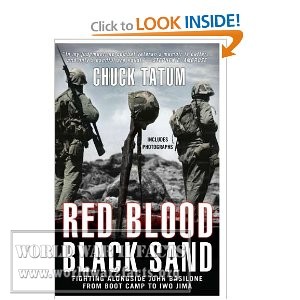
- Red Blood, Black Sand
- Flags of Our Fathers
- Battle of IWO Jima Quiz
- World War Quiz #3 (Battle of Iwo Jima)
- Medal of Honor Awardees at Iwo Jima
- Battle of Iwo Jima Medal of Honor Awardees
- Battle of Iwo Jima References
The Battle of Iwo Jima occurred between February 19th and March 26th 1945. Although the battle concluded, for several additional years, stranded Japanese soldiers would be found as late as 1949 (or 1951 depending on the source material cited).
How Did the Battle of Iwo Jima Start?

The United States conducted initial carrier air raids against the island in June, 1944. Before the U.S. invaded, the island would be hit with more shelling than used against any Pacific island during the war. B-24 heavy bombers were used flying out of the Marianas for the majority of the bombardments. Prior to the USMC landing on the beaches, navy planners only authorized 3 days of naval bombardment of the island instead of the 10 days requested by the marines. Bad weather would additionally impact the pre-assault bombardments, but D-Day remained set for February 19th, 1945.
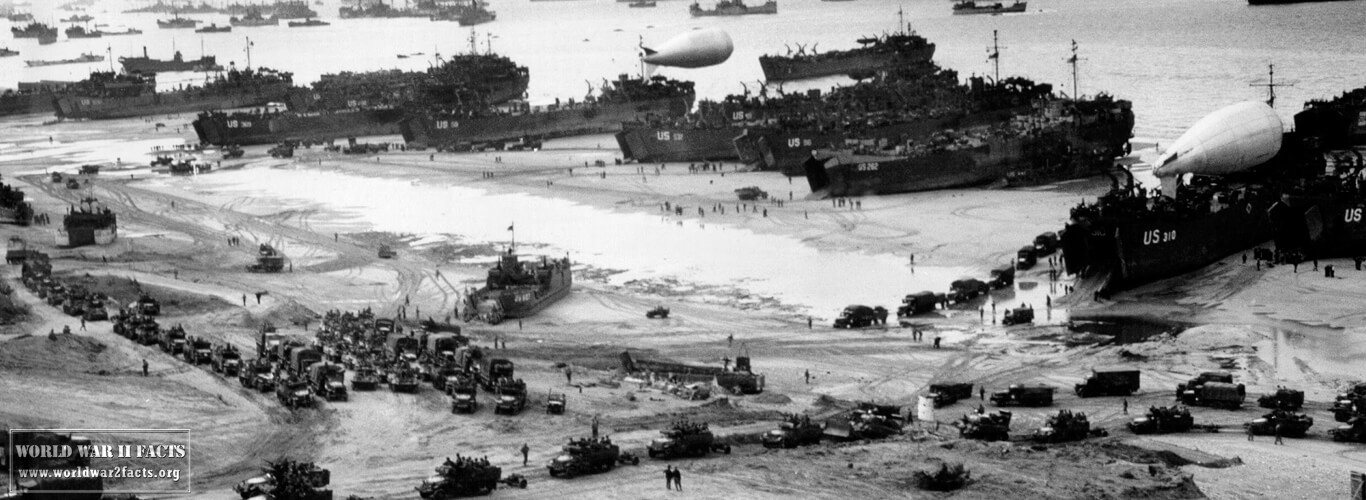
On D-Day, there were more than 450 ships amassed off of Iwo Jima. Just after 0900 local time, Marines from the 4th and 5th divisions landed at the Blue, Green Red, and Yellow beaches abreast of each other. By design, the Japanese held off initial assaults against the American troops who were slowed by the volcanic sand on the beach. Once the naval gunnery subsided, the Japanese defenders would emerge from hidden, underground positions to begin fiercely defending the island. The initial assault tasks for the USMC divisions were for the 4th to take the Japanese strongpoint, Quarry, and the 5th to isolate Mount Suribachi on the opening day of the invasion.
Battle of Iwo Jima Operational Map (Pre-Invasion)

Battle of Iwo Jima Map

Who Were the Commanders During the Battle of Iwo Jima?
The U.S. code name for the operation on Iwo Jima was Operation Detachment. The commanders assigned on the U.S. side for the battle were:
Admiral Raymond A. Spruance was the operation’s overall commander.
Joint Expeditionary Force commander was Vice Admiral Richmond Kelly Turner. Second in command of the Joint Expeditionary Force was Rear Admiral Harry W. Hill.
Lieutenant General Holland M. “Howlin’ Mad” Smith was the commanding general of the expeditionary troops.
The 5th Amphibious Corps was commanded by Major General Harry Schmidt. His division commanders for the invasion were:
The 3rd Marine Division commander was Major General Graves B. Erskine
The 4th Marine Division commander was Major General Clifton B. Cates
The 5th Marine Division commander was Major General Keller E. Rockey.
Japanese Forces Commander was Lieutenant General Tadamichi Kuribayashi.
Battle of Iwo Jima Order of Battle
U.S. – 70,000
Japanese Forces – 22,060
Battle of Iwo Jima Casualties
United States – 6,812 killed/missing
2 captured
19,217 wounded
Japan – 21,844 killed
216 captured
Importance of the U.S. Taking Iwo Jima
Iwo Jima was officially labeled as being a strategic island due to the need for a closer base for fighter support of long-range bombing missions being flown against mainland Japan. The U.S. bombers were flying out of the Mariana Islands which were too far for fighters to fly in escort for the duration of the bombing missions. The capture of Iwo Jima would also provide an emergency landing strip for B-29’s returning from bombing runs with significant damage. The island would also provide a strategic point from which to base sea and air blockades to further degrade the Japanese air and naval forces.
Taking Iwo Jima would not prove easy for the U.S. forces. The assault would take 36 days and is epitomized by the following quote by Fleet Admiral Chester Nimitz, “Among the Americans who served on Iwo Island, uncommon valor was a common virtue.” For the Japanese defenders, the island held key strategic value as the last obstacle to the American forces before they would invade Okinawa and mainland Japan.
Summary of the Battle of Iwo Jima
One day after the initial landing, the 28th Marines would secure the southern end of the island and move to the take Mount Suribachi. At the end of the 2nd day, the USMC would control one third of Iwo Jima as well as the Motoyama Airfield #1. By February 23rd, Marines from the 28th would reach the top of Mt. Suribachi and raise the American flag.
The 3rd Division of the USMC would be put into the fight on day five of the battle and were given the mission of taking the center sector of the island. Although the fall of Mt. Suribachi and capture of the Japanese airfields signified the defenders would ultimately lose, taking the remainder of the island would not prove easy for the Marines.

The defending commander, Lieutenant General Tadamishi Kuribayashi, would focus his forces on the defense of the northern and central sections of the island. Defending soldiers would leverage numerous miles of caves, blockhouses, and pillboxes to effectively use surprise and entrenched fortifications to extract a heavy toll on the attacking Marines.
The U.S. 3rd Division would run into the most fortified portions of the island on their move to take Japanese Airfield #2 using frontal assaults. By the night of March 9th, the Division’s forces would reach the northeastern beach on the island effectively cutting the Japanese defense in half.
At the same time as the advance of the 3rd Marine Division, the 5th would move up the western coast of the island to the northern tip. The 4th Division, was simultaneously moving to take the eastern section of the island and would repulse a banzai attack from the last of the Japanese sailors on the island which resulted in 700 enemy dead and ended the centralized resistance of fighters in the eastern sector of the island.
On March 10th, the three divisions would meet-up on the coast of Iwo Jima almost a week after the first B-29 bomber made an emergency landing on the island on March 4th, 1945. The final operational phase of the battle started on March 11th with fighting focused on eliminating individual pockets of resistance. The island was declared secure on March 26th following another banzai attack against the air corps personnel and soldiers on the beaches. The 147th U.S. Army Infantry regiment would assume ground control of the island from the U.S. Marines on April 4th, 1945. The Battle of Iwo Jima would see the largest body of Marines committed in combat in a single operation during the entire war.
How Many Medals of Honor Were Awarded from the Battle?
There were 27 Medals of Honor awarded to Marines and U.S. navy sailors from the battle. More were awarded than for any other operation during World War 2 with many being given posthumously.
Iwo Jima Battle Summary
Japan suffered huge losses from the battle with only 200 of the 21,000 dedicated to the defense surviving. The U.S. victory at Iwo Jima was another step on the island hopping campaign towards the mainland of Japan. The fighting was so fierce and sacrifices on both sides so great, that the battle is remembered every year and resulted in a number of Battle of Iwo Jima books, movies, and the construction of the Iwo Jima Memorial in Washington, D.C.
Battle of Iwo Jima Books
Battle of IWO Jima BooksRed Blood, Black SandBy: Chuck Tatum
By: Chuck Tatum Published: May 1, 2012 The book is the story of US Marine Charlie Tatum learning how to fight like a marine from boot camp to the Battle of Iwo Jima. He would carry ammo for Medal of Honor winner John Basilone during the breakout from the beach and experience the first man-to-man combat on the island. The book is the story of Chuck’s two weeks in the hell of Iwo Jima and his personal experiences of the time looking back at the battle. |
Flags of Our FathersBy: James BradleyBy: James Bradley Published: May, 2000 The book is the New York Times bestseller that tells the true story behind the immortal photograph that came to symbolize the courage of America during the Battle of Iwo Jima. The son of one of the flagraisers wrote a powerful account of the six young men who came together to raise the flag. Although John Bradley never spoke about the photograph to his family, after his death they discovered a number of boxes of letters and photos that helped James Bradley retrace the lives of his dad and the men of Easy Company. |

Battle of IWO Jima Quiz
By popular demand, we’ve drafted a short 10 question quiz on the Battle of Iwo Jima for you to try out and enjoy! Please feel free to post ideas for new questions to add to the quiz in the comments section of the article!
World War Quiz #3 (Battle of Iwo Jima)
Medal of Honor Awardees at Iwo Jima
The fortifications on Iwo Jima had immense and complicated bunkers, a large amount of hidden artillery, and more than 10 miles of tunnels. This was the first attack on the Japanese home islands and the defense was tenacious. More than 20,000 of the 21,000 Japanese defenders lost their lives during the battle with only 216 taken prisoner during the two month battle.
During the more than 60 days of fighting, a total of 27 United States military personnel were awarded the United States Medal of Honor for their actions during the fight. Vive were presented to United States Navy personnel (four being hospital corpsman), and 22 to Marines. The 22 USMC awardees represented more than 25% of all of the Medal of Honor awards for the USMC during World War 2.
Battle of Iwo Jima Medal of Honor Awardees
|
Name |
Service |
Rank |
Date of action |
Unit |
Notes |
| Charles J. Berry | Marine Corps | Corporal | March 3, 1945 | 1st Battalion, 26th Marine Regiment, 5th Marine Division | The Erie Avenue Bridge in Lorain, Ohio was renamed in 1988 to the Charles Berry Bridge in honor of Corporal Berry, a native son of the city. |
| William R. Caddy | Marine Corps Reserve | Private First Class | March 3, 1945 | Company I, 3rd Battalion, 26th Marine Regiment, 5th Marine Division | Sacrificed his life to save the lives of his platoon leader and platoon sergeant during the battle. |
| Justice M. Chambers | Marine Corps Reserve | Lieutenant Colonel | February 19–22, 1945 | 3d Assault Battalion Landing Team, 25th Marine Regiment, 4th Marine Division | Led the 8-hour battle to carry the flanking ridge top and reduce the enemy’s fields of aimed fire, thus protecting the vital foothold gained on the island by the Marines. |
| Darrell S. Cole | Marine Corps Reserve | Sergeant | February 19, 1945 | Company B, 1st Battalion, 23rd Marine Regiment, 4th Marine Division | |
| Robert H. Dunlap | Marine Corps Reserve | Captain | February 20–21, 1945 | Company C, 1st Battalion, 26th Marine Regiment, 5th Marine Division | Risked his life to gather intelligence about and direct fire on, enemy gun positions during the battle. |
| Ross F. Gray | Marine Corps Reserve | Sergeant | February 21, 1945 | Company A, 1st Battalion, 25th Marine Regiment, 4th Marine Division | Single-handedly overcame a strong enemy garrison and completely disarmed a large mine field before finally rejoining his unit. |
| William G. Harrell | Marine Corps | Sergeant | March 3, 1945 | Company A, 1st Battalion, 28th Marine Regiment, 5th Marine Division | Risked his life to defend his position against a larger enemy force on Iwo Jima. |
| Rufus G. Herring | USNR | Lieutenant, Junior Grade | February 17, 1945 | USS LCI(G)-449 | Maintained position in the firing line with his 20-mm guns in action in the face of sustained enemy fire and conned his crippled ship to safety after sustaining significant damage. The only non-Corpsman for the U.S. Navy to earn the MoH during IWO Jima. |
| Douglas T. Jacobson | Marine Corps Reserve | Private First Class | February 26, 1945 | 3rd Battalion, 23rd Marine Regiment, 4th Marine Division | Risked his life by destroying a total of sixteen enemy positions and approximately seventy-five Japanese |
| Joseph R. Julian | Marine Corps Reserve | Platoon Sergeant | March 9, 1945 | 1st Battalion, 27th Marine Regiment, 5th Marine Division | Sacrificed his life to eliminate an enemy threat |
| James D. La Belle | Marine Corps Reserve | Private First Class | March 8, 1945 | Weapons Company, 27th Marine Regiment, 5th Marine Division | Sacrificed his life to save a group of his fellow Marines by diving on a grenade during the ferocious fighting on Iwo Jima. |
| John H. Leims | Marine Corps Reserve | Second Lieutenant | March 7, 1945 | Company B, 1st Battalion, 9th Marine Regiment, 3rd Marine Division | Risked his life to rescue several wounded Marines during the battle. |
| Jacklyn Harrell Lucas | Marine Corps Reserve | Private First Class | February 20, 1945 | 1st Battalion, 26th Marine Regiment, 5th Marine Division | Covered two Japanese grenades with his body. Survived the blast of the one that exploded. Youngest recipient since the Civil War (turned 17 just 5 days before Iwo Jima D-Day) |
| Jack Lummus | Marine Corps Reserve | First Lieutenant | March 8, 1945 | 2nd Battalion, 27th Marine Regiment, 5th Marine Division | Had earlier played football for the New York Giants |
| Harry L. Martin | Marine Corps Reserve | First Lieutenant | March 26, 1945 | Company C, 5th Pioneer Battalion, 5th Marine Division | Sacrificed his life to help rescue some of his men who had been overrun by the enemy. |
| Joseph J. McCarthy | Marine Corps Reserve | Captain | February 21, 1945 | 2nd Battalion, 24th Marine Regiment, 4th Marine Division | Risked his life to eliminate several enemy troops so his men could move forward and continue the attack. |
| George Phillips | Marine Corps Reserve | Private | March 14, 1945 | 2nd Battalion, 28th Marine Regiment, 5th Marine Division | Sacrificed his life to save the lives of fellow Marines during the battle. |
| Francis J. Pierce | Navy | Pharmacist’s Mate First Class | March 15–16, 1945 | 2nd Battalion, 24th Marine Regiment, 4th Marine Division | Risked his life to save several wounded servicemembers and volunteered for a mission to eliminate an enemy threat |
| Donald J. Ruhl | Marine Corps Reserve | Private First Class | February 19–21, 1945 | Company E, 2nd Battalion, 28th Marine Regiment, 5th Marine Division | Saved several of his fellow Marines by sacrificing his life and diving on an enemy grenade during the battle. |
| Franklin E. Sigler | Marine Corps Reserve | Private | March 14, 1945 | 2nd Battalion, 26th Marine Regiment, 5th Marine Division | Led a charge against an enemy gun installation which had held up the advance of his company for several days at Iwo Jima. |
| Tony Stein | Marine Corps Reserve | Corporal | February 19, 1945 | Company A, 1st Battalion, 28th Marine Regiment, 5th Marine Division | First Medal of Honor awardee at Iwo Jima. |
| George E. Wahlen | Navy | Pharmacist’s Mate Second Class | March 3, 1945 | 2nd Battalion, 26th Marine Regiment, 5th Marine Division | Although seriously wounded he risked his life to save the lives of several other service members |
| William G. Walsh | Marine Corps Reserve | Gunnery Sergeant | February 27, 1945 | Company G, 3rd Battalion, 27th Marine Regiment, 5th Marine Division | Sacrificed his life to save a group of fellow Marines during the fighting. |
| Wilson D. Watson | Marine Corps Reserve | Private | February 26–27, 1945 | 2nd Battalion, 9th Marine Regiment, 3rd Marine Division | Risked his life fighting the enemy single handedly for 15 minutes until his platoon could catch up to him during the battle. |
| Hershel W. Williams | Marine Corps Reserve | Corporal | February 23, 1945 | 1st Battalion, 21st Marine Regiment, 3rd Marine Division | Risked his life attacking the enemy for 4 hours with an M2-2 Portable Flamethrower to minimize unit casualties during the fighting. |
| Jack Williams | USNR | Pharmacist’s Mate Third Class | March 3, 1945 | 3rd Battalion, 28th Marine Regiment, 5th Marine Division | Killed while performing first aid to a wounded Marine at Iwo Jima. |
| John H. Willis | Navy | Pharmacist’s Mate First Class | February 28, 1945 | 3rd Battalion, 27th Marine Regiment, 5th Marine Division | Killed by a grenade while assisting a wounded Marine at Iwo Jima. |
Battle of Iwo Jima References
Bartley, LtCol. Whitman S., USMC (1954). Iwo Jima: Amphibious Epic. Marines in World War II Historical Monograph. Washington, D.C.: Historical, Division of Public Information, Headquarters, United States Marine Corps. OCLC 28592680. Last accessed April 10th, 2013.
Garand, George W.; Truman R. Strobridge (1971). “Part VI: Iwo Jima”. Western Pacific Operations. Volume IV of History of U.S. Marine Corps Operations in World War II. Historical Branch, United States Marine Corps. ISBN 0-89839-198-9. Last accessed April 10th, 2013.
“Victory At Sea: Target Suribachi” (Video). Internet Archive. Archived from the original on 12 February 2009. Last accessed 10 January 2014.